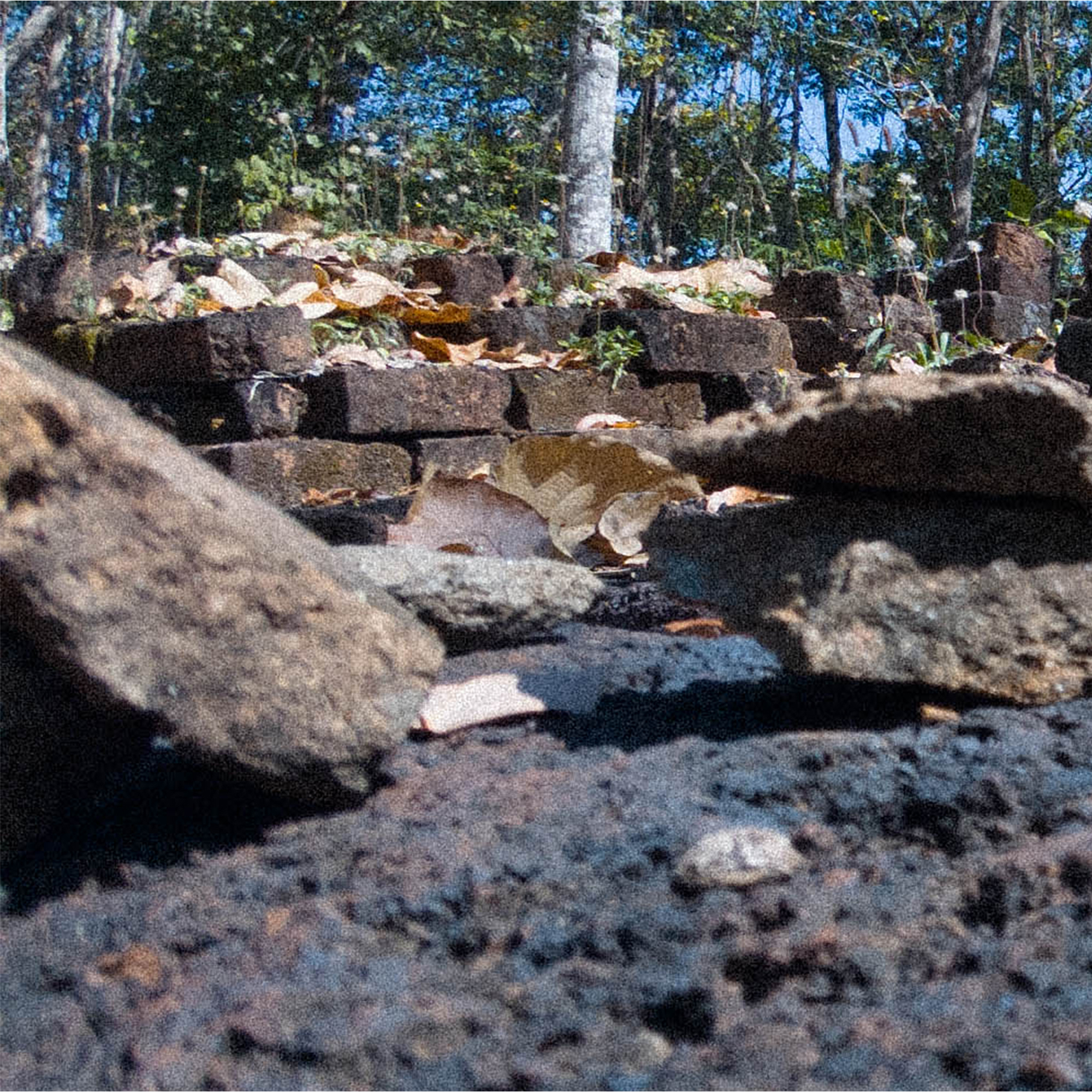
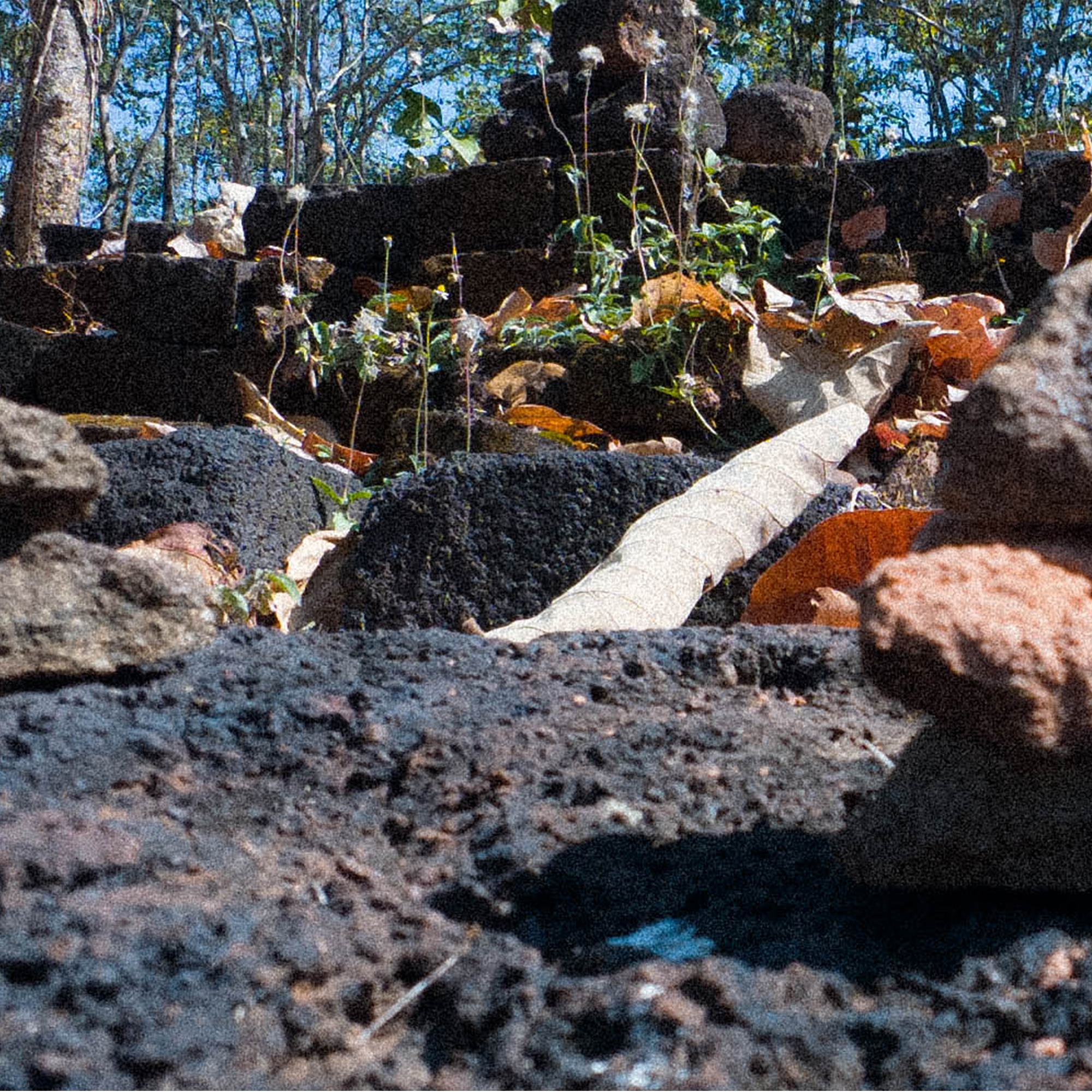
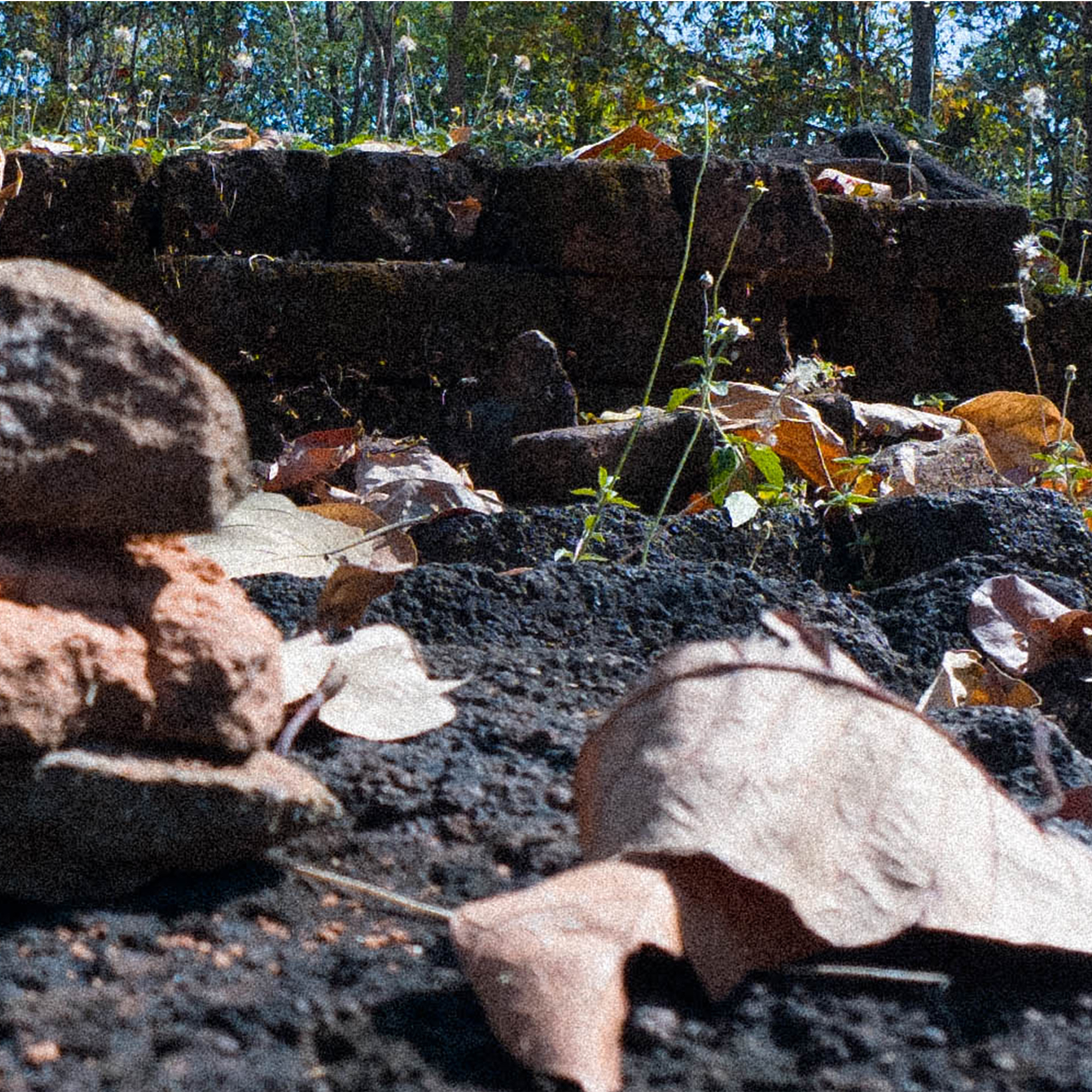
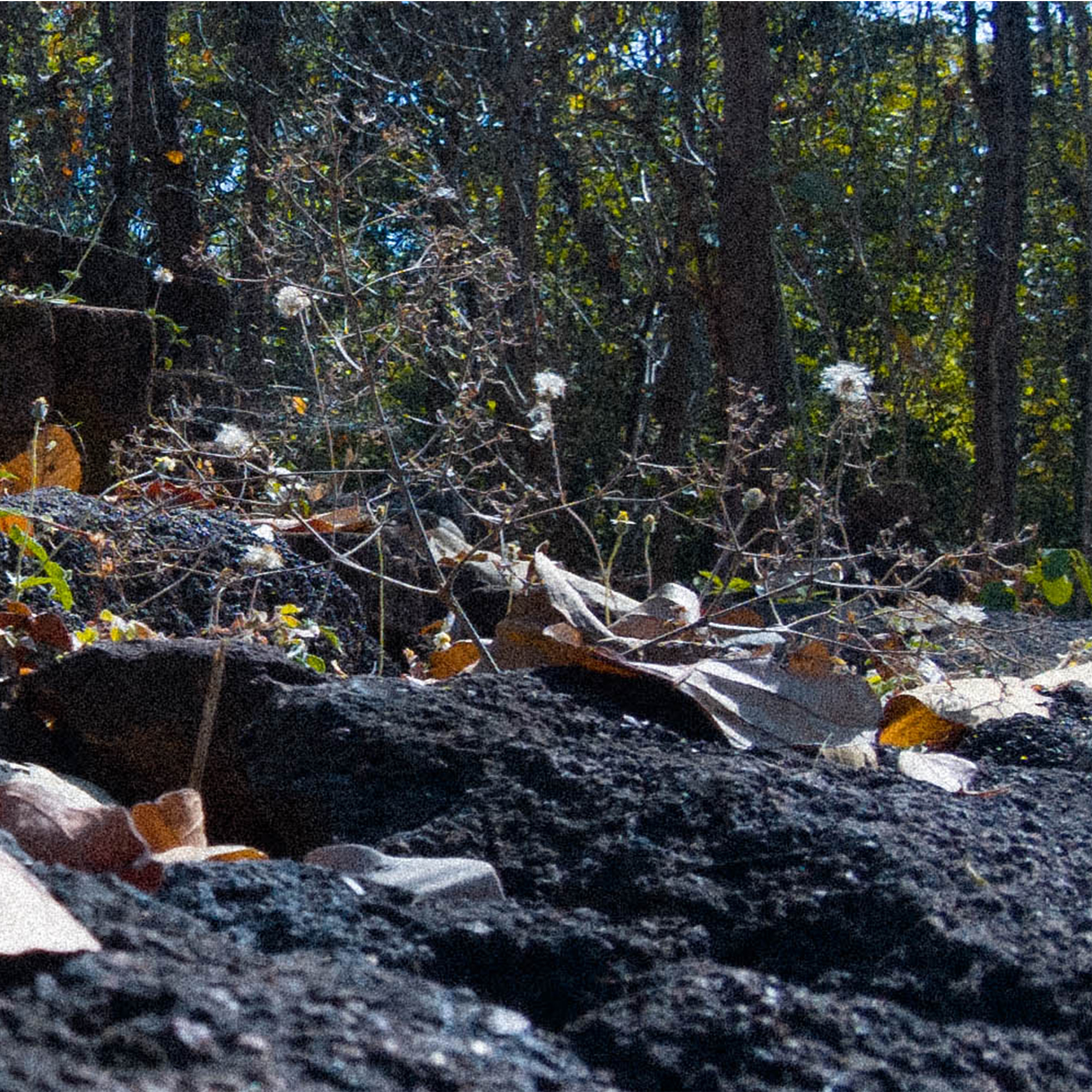
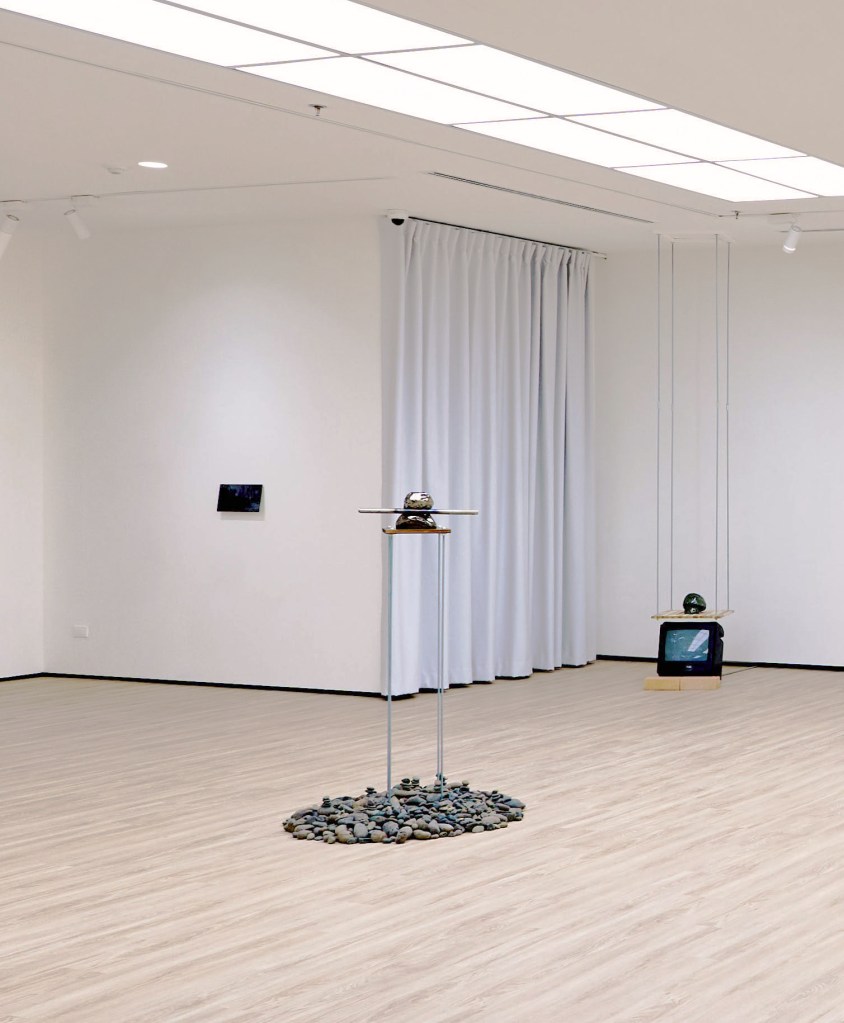
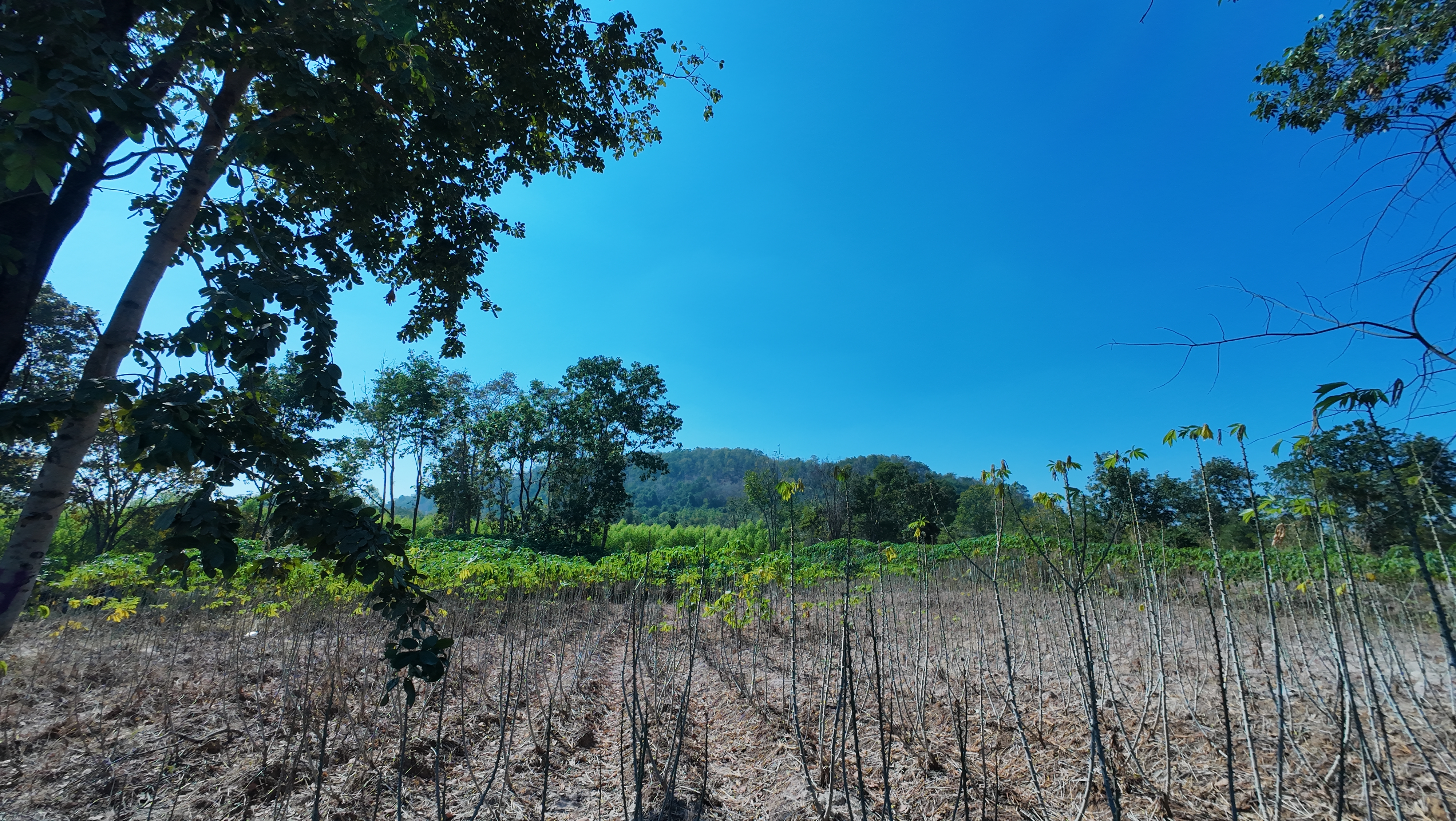
The narrative of Phu Fai (Mount Fai) remains largely obscure within local folklore; instead, it resides within the pages of rare historical texts, distanced from mainstream Thai history. This obscurity stems from the sensitive nature of the conflict between local rulers and the Siamese state—a story deemed unsuitable for widespread dissemination.
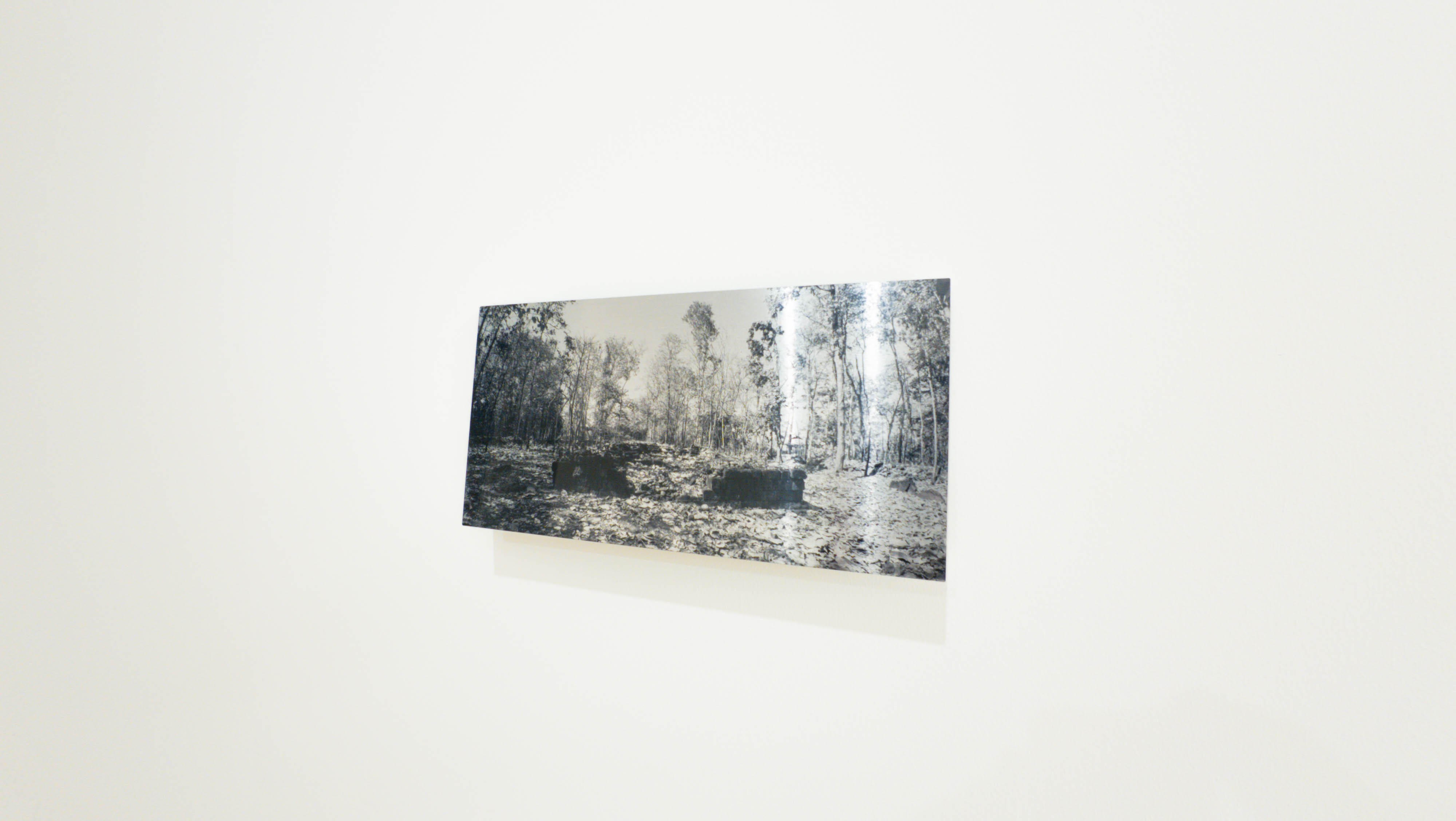
The “Phi Boon” series consists of six artworks that serve as a historical chronicle of Siamese internal colonization in the Phu Fai region. Located over 600 kilometers from the Siamese center of power, this area was a cultural crossroads where the Kui, Khmer, and Lao peoples coexisted. Around 1901 (B.E. 2444), a man named “Boonchan” proclaimed himself a Phu Mi Boon (a Holy Man’s Rebellion). He claimed to be the reincarnation of the Maitreya —a messianic figure deeply revered by the peoples of the Isan-Lao and Khmer regions, destined to liberate humanity and restore universal balance.
Boonchan, a descendant of the local ruling lineage of Khukhan (situated near the Dangrek Mountains on the present-day Cambodian border), possessed both scholarly knowledge and occult mastery. He successfully gathered a following of over 5,000 people at Phu Fai, united by a common goal: to resist the oppression and burdensome taxation imposed by the Siamese state.
The “Holy Man’s Rebellion” (Phi Boon, Phi Mi Boon) was not isolated to Boonchan; similar uprisings ignited across various regions of Thailand and Laos. The proliferation of these “Holy Men” along the Mekong River was fueled by the shared legend of Thao Dhammikarat, the future Buddha who would usher in a new era. These leaders employed ingenious strategies to mobilize the masses, such as propagating the belief that ordinary stones would transform into gold for those who strictly observed religious precepts. Conversely, they commanded the slaughter of elephants, horses, and cattle, warning that for those who failed to keep their precepts, these beasts of burden would transform into giants or demons and devour their owners. These beliefs effectively halted agricultural labor, leaving villagers without the means to pay state taxes—ultimately leading to an inevitable and violent confrontation with the central government.
This series is showcased in the exhibition “Merely Encountering the Evident,” a group exhibition at HOP – Hub of Photography. The exhibition features works by Kanokwan Sutthang, Butsapasila Wanjing, Curated by Thiti Teeraworawit.

✴︎
About Art Pieces
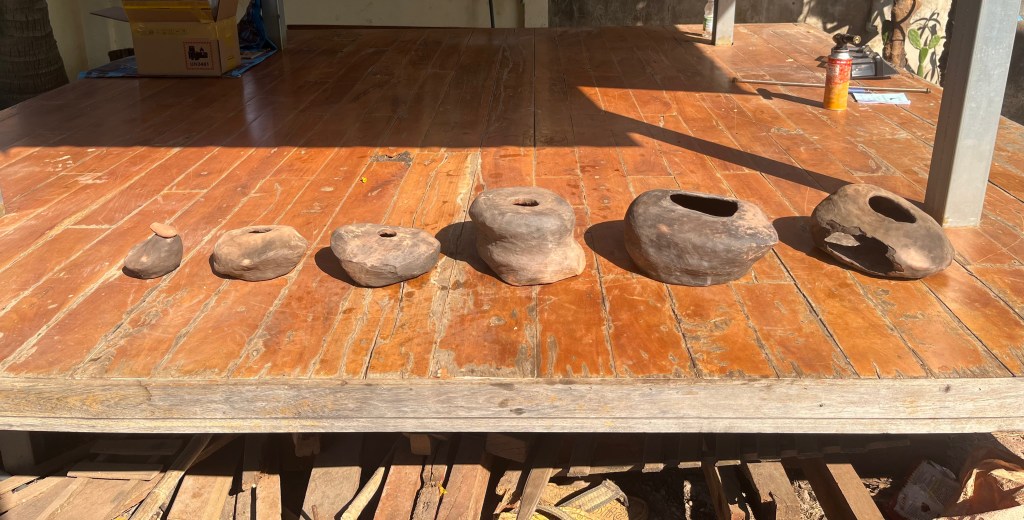
“Bondage” is a ceramic sculpture finished with a silver glaze, giving its surface a metallic quality. The installation features a solid metal bar wedged between two ceramic stones, all of which are mounted on a wooden base secured by bolts and threaded steel rods.

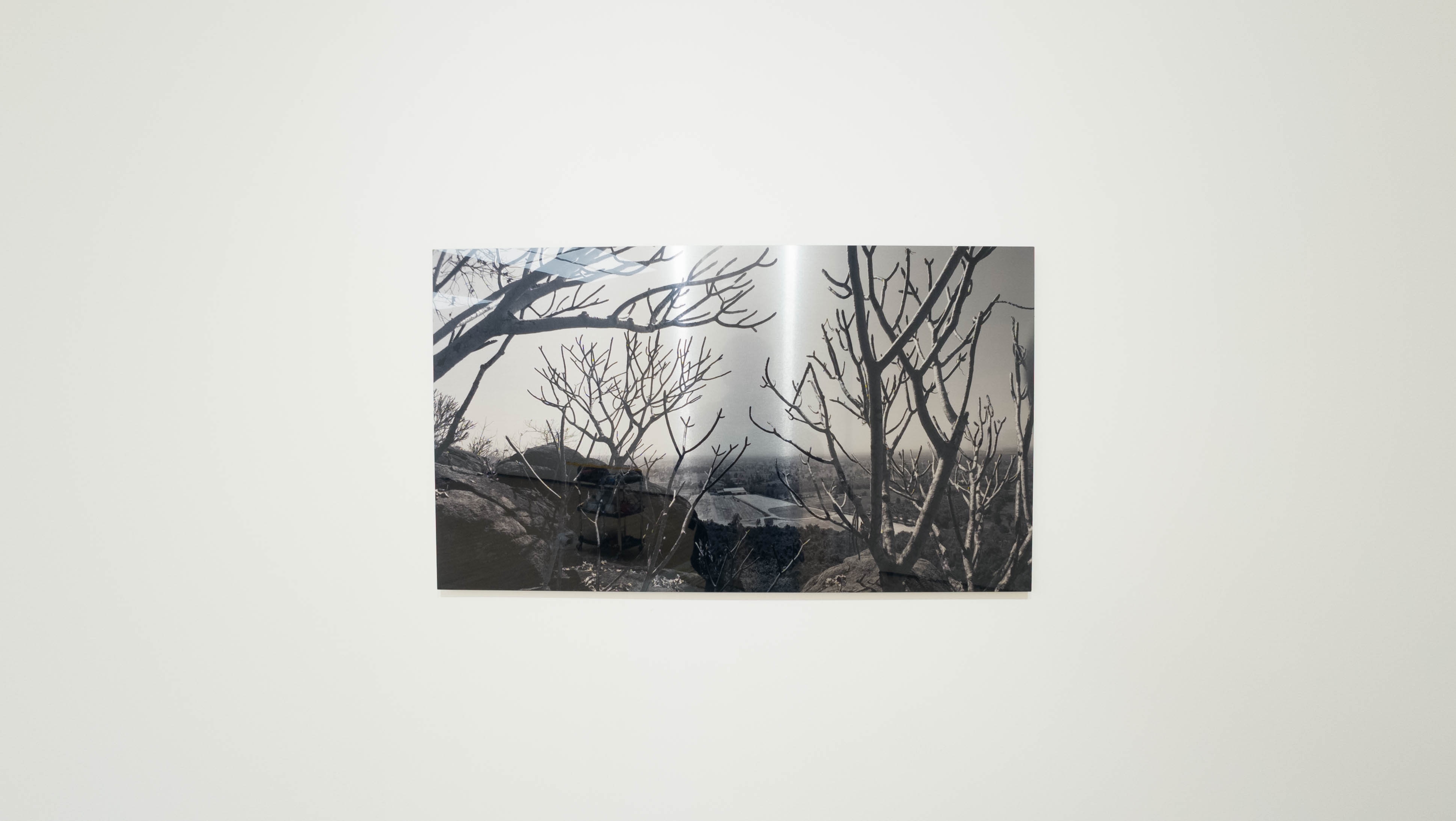
An aerial perspective from the summit of Phu Fai.
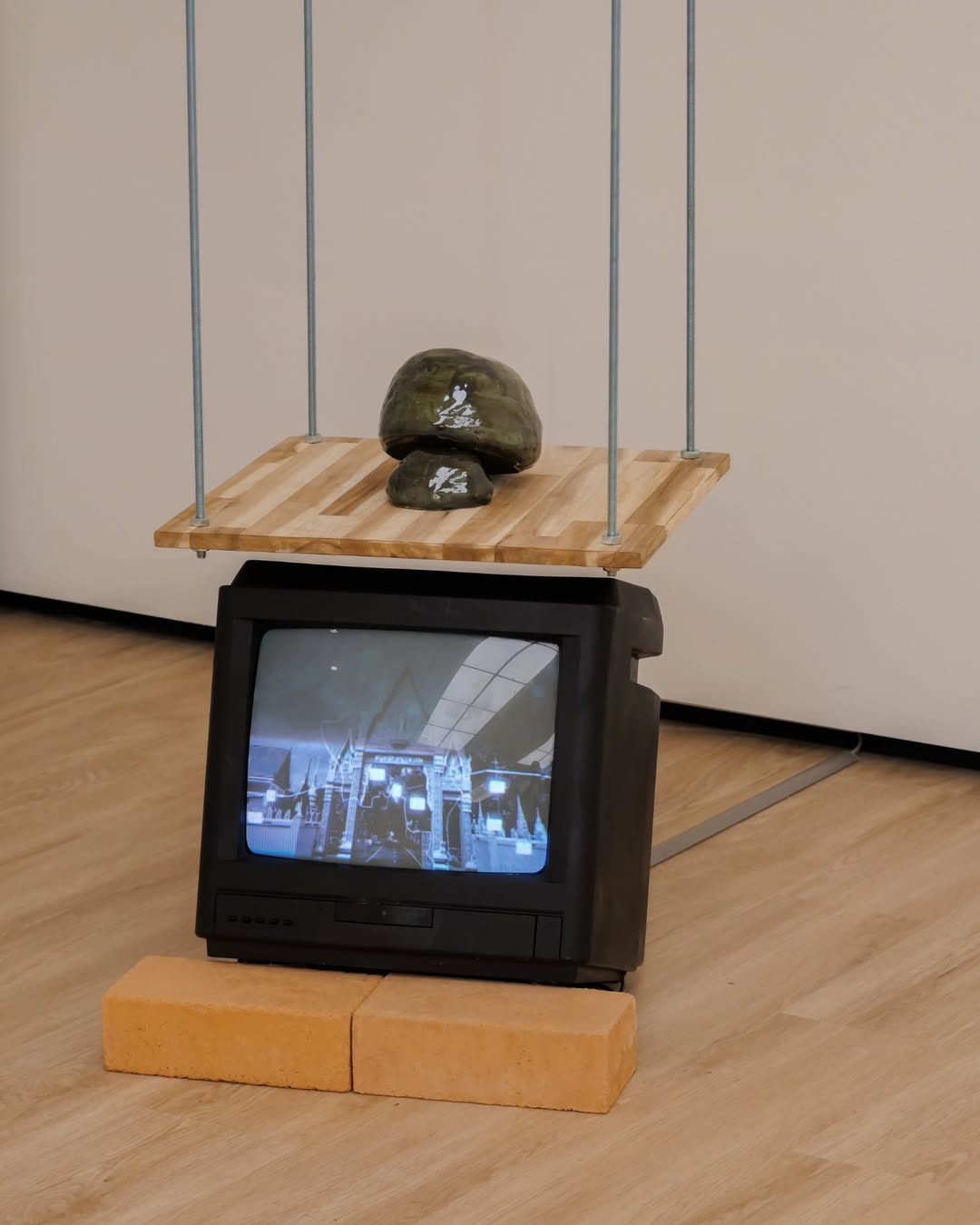
Below: Echoes from the Past, 2025, Video Installation, 5:46 minutes.

 Sutiphong Sudsang